
What motivates a Rescue Mission donor to break their pattern of behavior and become a sustainer?
Nonprofits understand the value of a sustainer. They provide more dependable revenue, greater donor lifetime value and a stronger foundation for long-term growth. But developing an effective monthly giving program requires more than adding a recurring-gift option to a donation form.
It requires a deep understanding of the donor.
That is why BDI commissioned an in-depth qualitative research study focused specifically on Rescue Mission sustainers and the donor journey from individual gifts to ongoing generosity. We are going all in to learn directly from donors what motivates a recurring commitment, what creates hesitation and what kind of experience could help Rescue Missions grow and retain more sustainers.
I am eager to share the results of this critical research study with you because it really starts to get at the heart of a sustained giving connection.
Background: BDI’s Rescue Mission Sustainer Research Study
BDI designed this research to answer one central question:
How can we nurture donor relationships into sustained giving behavior?
We built this study as a new layer on top of the quantitative marketing research circulating. This qualitative review is compiled of extended, one-on-one interviews that allowed donors to explain their experiences, beliefs, motivations and concerns in their own words.
This included in-depth interviews across two distinct groups:
- Donors referred through BDI Rescue Mission client partners
- Donors recruited from a national research panel
This structure was intentional. It allowed the study to include people with established connections to BDI client Missions, while also bringing in perspectives from a broader national donor audience. The participant pool included both one-time and recurring donors to Rescue Missions and was screened across demographic and lifestyle characteristics.
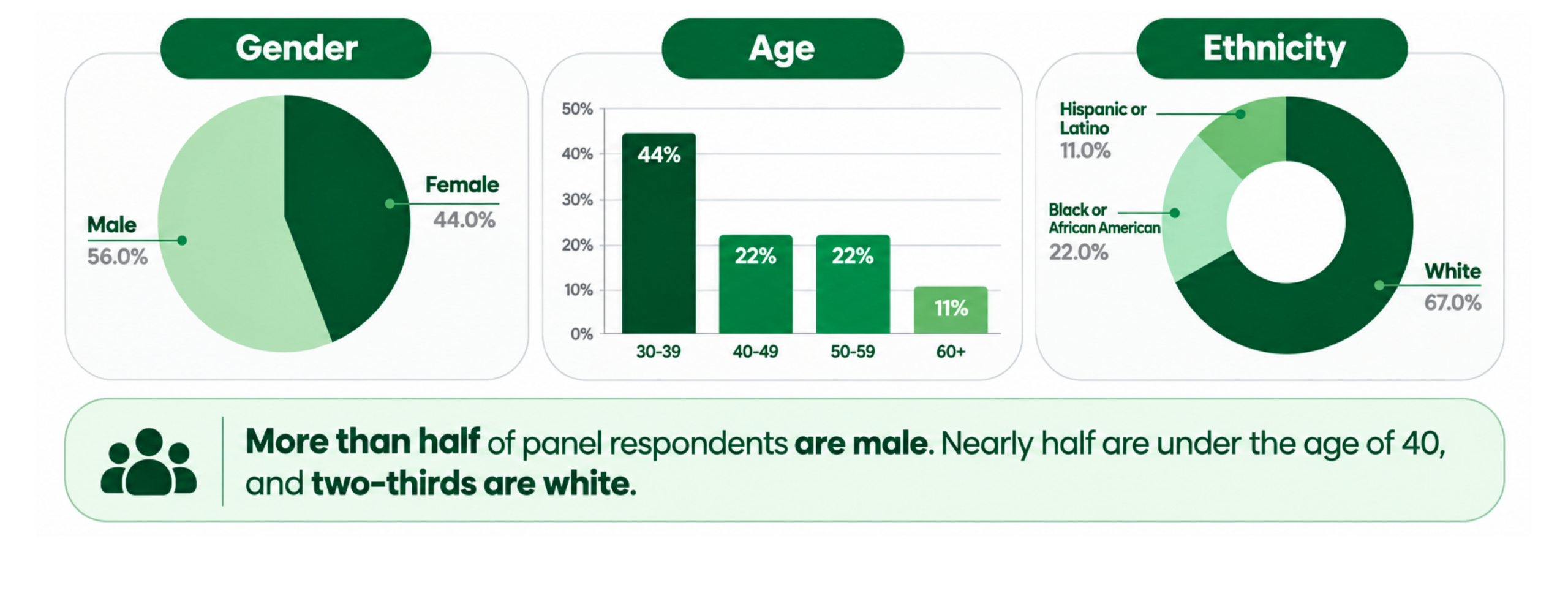
Profile of Panel Respondents
The interviews were designed to uncover:
- The journey from one-time donor to Rescue Mission sustainer
- The emotional and practical motivations behind monthly giving
- Barriers that keep donors from making a recurring commitment
- Messages that could prompt donors to consider becoming sustainers
- Expectations for recognition, stewardship and impact reporting
- The influence of faith, age, geography, market size and relationship history
- Benefits, experiences and program features that could support conversion and retention
The research team then conducted a detailed content analysis to identify common themes in donor motivations and behavior. The study also considered differences related to geography, Mission market size, donor relationship and type of giving, with findings translated into recommendations for Rescue Mission sustainer messaging, acquisition, conversion, upgrades, reactivation and long-term stewardship.
In the end, what emerged was a clearer picture of what Rescue Mission donors need before they are ready to activate greater generosity partnership.
Due to the qualitative nature of this study, the value of our findings lie in recurring themes, donor language and decision-making patterns that can inform your Mission’s program development and identify insights around how today’s donors engage. And one conclusion came through consistently:
Sustainable giving is a relationship pathway that strengthens a donor’s connection to the Mission, creating opportunities for deeper engagement and generosity over time.
Here are the key findings from BDI’s Rescue Mission sustainer research study.
Finding #1: Faith Shaped the Path to Becoming a Rescue Mission Sustainer
For many of the donors we interviewed, generosity began long before they made their first gift to a Rescue Mission.
It began in church.
Most respondents connected their earliest memories of charitable giving to supporting their church. Some remembered placing money from their parents into the offering. Others remembered giving money they had earned themselves. Around one-third described generosity as a behavior modeled by parents, grandparents or other family members.
A few respondents shared:
“My family tithed and in grade school I also began giving to church.”
“Not everything needs to be faith-based but I have more trust in things that are connected to my church, denomination and programs.”
These early experiences helped shape the way donors understood generosity as an expression of gratitude, faith, responsibility and care for others.
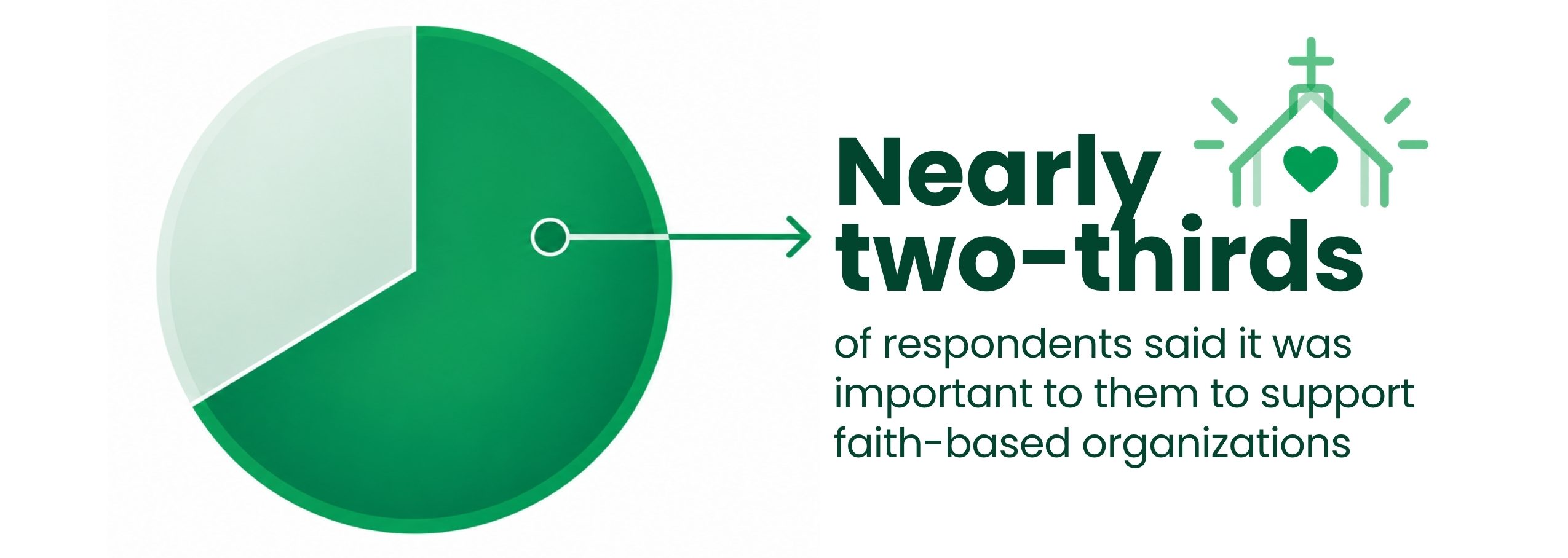
Nearly two-thirds of respondents said it was important to them to support faith-based organizations. Even when their current faith practices varied, many donors associated faith-based organizations with shared values, greater trust and meaningful life change.
Faith also played an important role in how donors first encountered a Rescue Mission. Around half said they originally became aware of the Mission they support through their church. In some cases, a Mission leader spoke to the congregation. In others, church members volunteered or introduced the donor to the organization’s work.
For Rescue Missions, faith may be a key part of the donor’s generosity story.
That means faith-forward sustainer messaging should clearly demonstrate how faith is being put into action through compassion, restoration, dignity and tangible change in the lives of vulnerable neighbors.
It should also reinforce trust. Donors want to know that the Mission shares their values, stewards resources responsibly and is creating the kind of life-changing impact they feel called to support.
When Rescue Mission sustainers see their faith and values reflected authentically in the work, monthly giving can become a consistent expression of who they are and what they believe.
Finding #2: Personal Experiences Turn Interest Into Commitment
Rescue Mission donors rarely described their relationships with Missions in purely financial terms.
They talked about volunteering. They talked about people they knew. They remembered encountering someone whose life had been affected by homelessness. They described hearing a Mission leader speak at their church or seeing the needs of their community firsthand.
One donor explained:
“The director of the organization did attend our church, so we would hear him speak many times about the Mission. I knew the man and his wife, and so I trusted what they were doing.”
These personal experiences often created pivotal moments in the donor journey.
A volunteer shift can make the need feel immediate and real. A church presentation can establish credibility. A conversation with a staff member can make a large organization feel more human. A story about a neighbor finding stability can turn homelessness from an abstract community concern into a cause someone feels personally called to support.
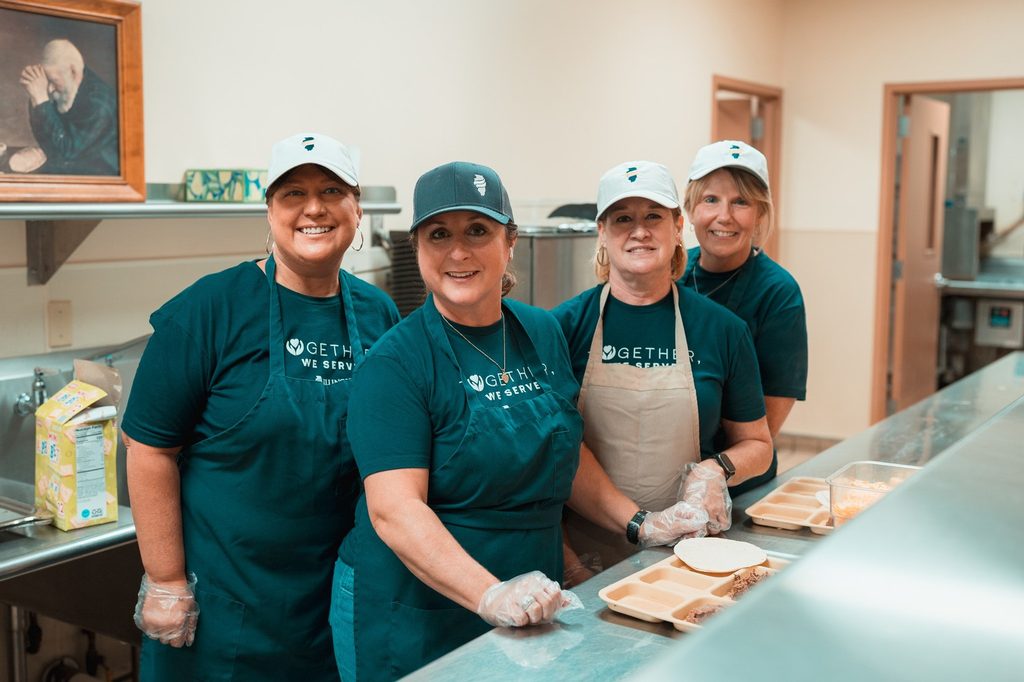
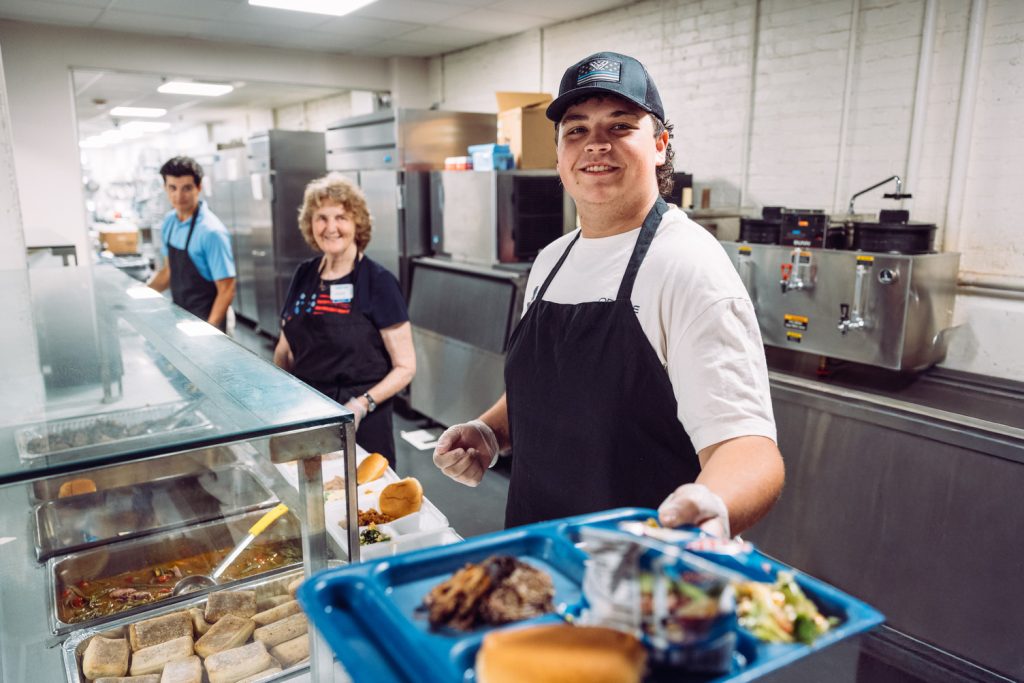
Volunteer activity emerged as an especially important connection point. Around two-thirds of respondents discussed volunteer work they had done, and many described volunteering as one of the primary ways they stayed involved with a Rescue Mission.
These experiences matter because monthly giving is most likely to happen where donors feel personally connected. About half of respondents already supported at least one charity through recurring gifts, and their decisions were often tied to personal relationships, meaningful communications or firsthand experiences with the organization.
When donors volunteer, attend an event, respond to an appeal, engage with a story or demonstrate repeated interest in the Mission, those actions can signal the opportunity to engage them in your sustainer program.
For Rescue Missions, that means understanding where each donor is in their relationship with your Mission and using the signals they provide to communicate with greater relevance. This could include their giving history, volunteer activity, event participation, content engagement and other areas of interest.
At BDI, we call this relationship at scale. It is the ability to create a donor experience that feels personal and timely across a large audience, without building every communication one donor at a time.
It goes far beyond inserting someone’s first name into an email. It means using what donors have shown you about who they are, what they care about and how they engage to deliver the right message, through the right channel, at the right point in their journey.
Finding #3: Rescue Mission Sustainers Want Connection, Transparency and Proof of Impact
Donors want to know that their gifts are doing something real.
The Rescue Mission donors we interviewed valued stories of personal transformation, but they also wanted clear and transparent information. They wanted to understand how money was being used, what specific needs their gifts were meeting and what was changing because donors consistently showed up.
Many respondents said they research an organization before making a monthly giving commitment. They look for financial accountability, responsible stewardship and evidence that their support will reach the people and programs they care about.
Once they give, they want to hear what happened next.
Donors shared:
“I don’t need to be recognized. I want the follow-up. That’s the connection.”
“The people I partner with have had such long-lasting relationships with me. They know what I like and what I need. That’s something that could set gospel mission organizations apart from others.”
Others asked for updates, photographs, progress reports and information about what the organization hoped to accomplish over the next six to 12 months. Some respondents expressed concern about organizations spending too much on mailings, gifts or benefits when those resources could be used to serve people in need.
The research suggests that Rescue Mission sustainers want to feel like informed insiders. They want transparent communication, increased access and a sense that they are part of the cause.
Ultimately, donors today wanted to understand what their generosity had helped make possible. Your donors want to trust you. In today’s economy, trust is the new currency.
To maintain and build your donor’s trust, you need a personal and connected donor experience specifically developed for sustained recurring givers.
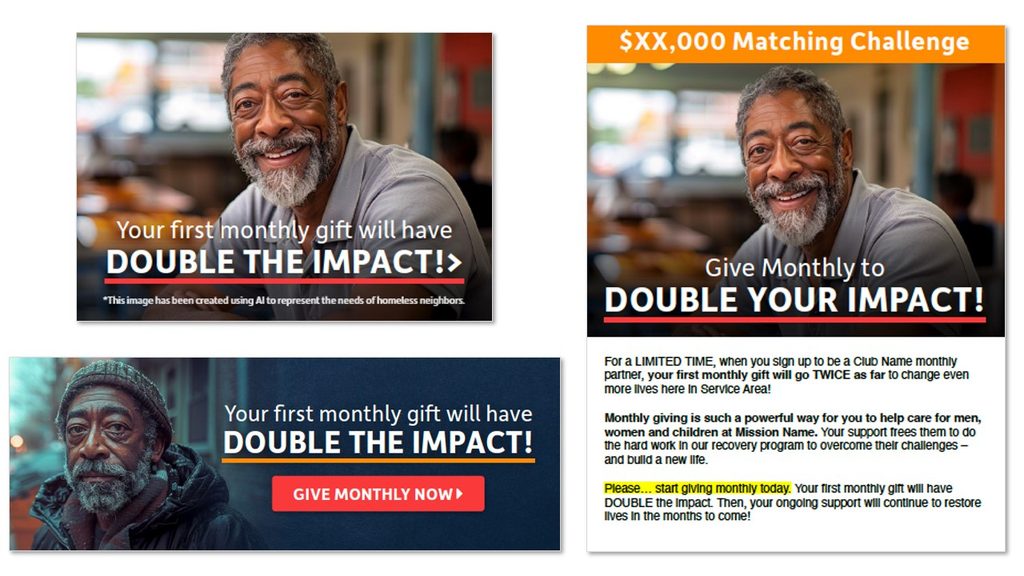
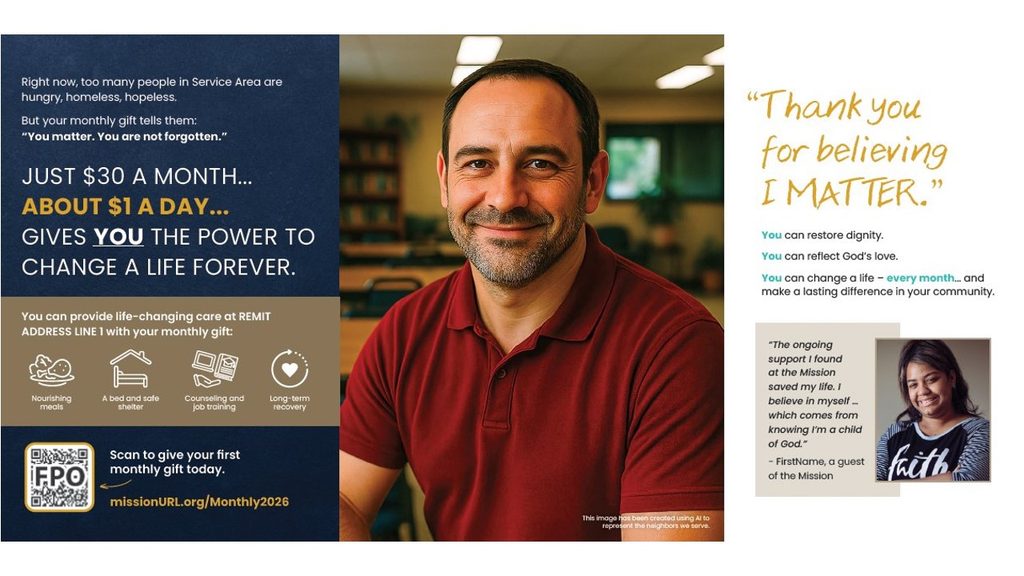
That experience might include:
– A sincere and timely thank-you
– Clear reporting on the impact of monthly gifts
– Authentic stories from inside the Mission
– Information about upcoming needs and initiatives
– Personal communication that recognizes the donor’s consistency
– Opportunities to remain involved beyond financial giving
Apart from your fundraising asks, sustainers should hear about progress, challenges, plans and lives being changed. Their commitment should lead to a deeper relationship with the Mission.
Want to see all 5 findings?
Don’t stop with the highlights. Get the full study now.
What moves a donor from an individual gift to sustained generosity? What creates hesitation? And what can Rescue Missions do to build a stronger pathway to long-term donor partnership?
Access BDI’s complete Rescue Mission Sustainer Research Study to discover all five findings, including what sustainers value, what may keep donors from committing and what Missions can do differently to inspire deeper, more lasting generosity.